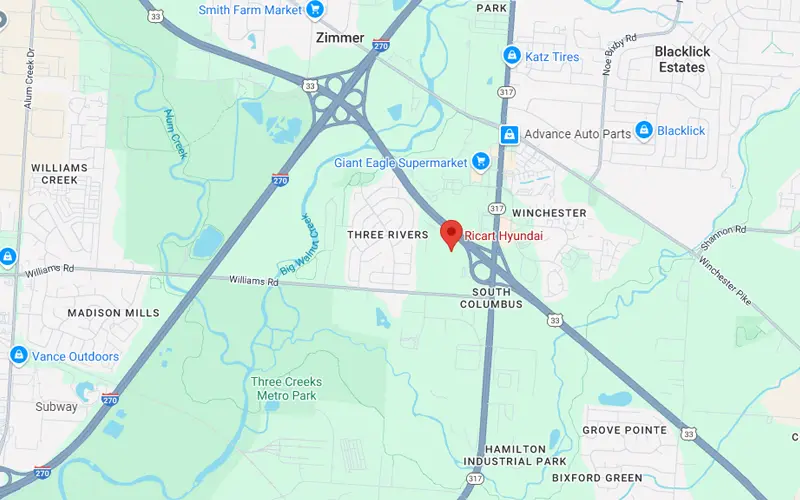




Author: Ricart Hyundai
Why Should You Follow a Maintenance Schedule for Your Hyundai?
Following a maintenance schedule is essential for protecting your investment in a Hyundai and ensuring it performs reliably in Groveport’s unique driving conditions. With the area’s hot summers and humid weather, fluids, belts, and filters can degrade more quickly than in milder climates. Additionally, the heavy pollen during spring can clog filters, reducing your vehicle’s efficiency. Keeping up with regular service ensures your vehicle is well-equipped to handle these local challenges, whether you’re commuting along Groveport Road or heading to Heritage Park.
Regular maintenance not only enhances your Hyundai’s performance and fuel efficiency but also plays a crucial role in safety. A well-maintained vehicle is more capable of handling those quick trips to the Motts Military Museum or navigating the busy I-270 corridors during rush hour. It’s not just about avoiding breakdowns; it’s about ensuring your vehicle operates smoothly and efficiently, giving you peace of mind on every journey. For more insights on vehicle care, resources like Edmunds offer a wealth of information.
How Does Hyundai’s Service Reminder System Work?
Many Hyundai vehicles are equipped to notify you when routine maintenance is approaching. Depending on the specific model and year, this reminder could be a straightforward time or mileage counter, or it may adjust based on how the vehicle is used. This feature is intended to help you keep track of when it’s time to check your vehicle’s maintenance needs.
When maintenance is due, you might see a dashboard message, a service indicator light (like a wrench icon), a maintenance reminder, or even an oil-life percentage, if your vehicle is equipped with that functionality. Since the exact notification system can differ by model, it’s important to consult your owner’s manual for the specific maintenance schedule. Additionally, local driving conditions in Groveport and nearby areas—such as frequent short trips, stop-and-go traffic, towing, or seasonal temperature fluctuations—can influence how often service is necessary.
What Does the Primary Service Reminder Mean?
After understanding how service reminders work in general, the next step is knowing what the primary reminder is telling you. In most vehicles, the primary service reminder serves as a broad alert indicating that scheduled maintenance is due or approaching. While some Hyundai models may display a simple message or indicator, others might provide more context through a maintenance screen, settings menu, or symbols. Because the specifics can vary by model and year, the owner’s manual and the in-vehicle maintenance information are the best references for what needs attention.
Primary reminder: This is a general signal to check your vehicle’s scheduled maintenance guidance and plan for service. It typically indicates that maintenance is due, without detailing every specific item on its own.
Additional details (if shown): Some vehicles may present additional information, like a maintenance screen, percentage, descriptive message, or symbols, which can help clarify what requires attention. If your vehicle provides these details, refer to them along with the owner’s manual to confirm the recommended service.
What Do Additional Service Indicators Mean?
Some vehicles provide additional detail beyond the primary service reminder, offering extra items, symbols, or menu entries that clarify upcoming service needs. These indicators can help you better understand what maintenance may be due, though their exact meanings can vary by vehicle. Below are common examples of service items that some vehicles may display; always refer to your owner’s manual for specific meanings for your model.
- Tire rotation: Regularly rotating your tires helps ensure even tread wear, which can enhance handling. If you often drive around Groveport’s busy streets or take frequent short trips, you might notice your tires wearing differently.
- Engine and cabin air filters: The engine air filter maintains proper airflow to the engine, while the cabin air filter helps keep the interior air clean. Dust and pollen common in Groveport during certain seasons can clog these filters more quickly.
- Transmission fluid: Some vehicles recommend checking transmission fluid as part of routine maintenance. If you frequently drive in stop-and-go traffic or hilly areas near Columbus, it can put extra strain on your transmission.
- Spark plugs and valve clearance check (when applicable): Over time, spark plugs may need replacement, and some engines may require checking the valve clearance. These services are often scheduled as vehicles reach higher mileage.
- Engine coolant: Engine coolant plays a crucial role in regulating temperature. Driving in hot weather or during long highway trips can increase the demand on your cooling system.
- Rear differential fluid (AWD/4WD, if equipped): For vehicles with all-wheel or four-wheel drive, the differential fluid may require servicing. Driving in wet conditions or on uneven roads around Groveport can impact the drivetrain’s performance.
- Brake fluid: As brake fluid ages, it can absorb moisture, which may compromise braking efficiency. If your vehicle indicates a need for brake fluid service, be sure to follow the recommended intervals to maintain safety.
What is a Typical Hyundai Service Schedule for Groveport Drivers?

Understanding a typical service schedule can be a great planning tool for Hyundai owners in Groveport. While your vehicle may offer reminders or maintenance prompts, referring to your owner’s manual and any in-vehicle guidance is crucial for reliable information. This overview serves as a helpful reference to anticipate service intervals based on common driving conditions in Ohio—like the stop-and-go traffic on Main Street or the chilly winters affecting your vehicle performance.
What Services Are Needed in the First 30,000 Miles?
During the initial 30,000 miles of ownership, drivers typically focus on foundational services like routine oil changes, tire rotations, and maintaining clean air filters. The specific timing for these services can vary based on the particular Hyundai model, driving habits, and recommendations found in the vehicle’s owner’s manual.
Oil service: For many Hyundai models, routine oil changes are influenced by driving conditions. If you frequently navigate the stop-and-go traffic of Groveport’s Main Street or the nearby highways, you might find that your oil change intervals come up sooner, reflecting the increased wear that city driving can impose.
Tire rotations and filters: Tire rotations are often aligned with oil changes or occur at regular intervals to promote even tire wear. In addition, engine and cabin air filters are essential to monitor, especially in areas with high pollen, dust, and construction debris found around Columbus and Grove City.
What Maintenance Should Be Done Between 30,000 and 60,000 Miles?
As your Hyundai approaches higher mileage, maintenance often transitions from basic upkeep to protecting critical systems through fluid services and more frequent inspections. The specific timing for these services depends on your model, powertrain, and driving conditions. Always refer to your owner’s manual and any in-vehicle maintenance notifications for tailored guidance.
Transmission Fluid Service: A transmission fluid service is often recommended, especially for vehicles frequently driven in stop-and-go traffic or on hilly roads like those around Groveport and Columbus. Regularly maintaining your transmission fluid helps ensure smooth shifting and extends the life of one of your vehicle’s most complex systems, which is crucial for handling local traffic patterns.
Brake Fluid, Brakes, and Tires: Brake fluid replacement is typically recommended due to its tendency to degrade over time, regardless of mileage. Regular checks of your brakes and tires become increasingly vital for safe and reliable stopping and handling, whether you’re navigating the busy intersections on Main Street or cruising down I-270. For more insights into vehicle reliability and owner experiences, consider visiting Consumer Reports.
What Major Services are Required Approaching 100,000 Miles?
As your vehicle approaches the 100,000-mile milestone, certain maintenance services may come into sharper focus. While these services can vary based on the specific model and engine, it’s essential to consult your owner’s manual and any vehicle maintenance information to determine what’s applicable for your car.
Spark plugs: Around this mileage, many vehicles benefit from a spark plug replacement, although the exact timing can differ. New spark plugs can enhance your engine’s efficiency, ensure smooth starts, and contribute to overall reliability.
Timing belt (if equipped) and coolant service: Some older engine designs may feature a timing belt that requires periodic replacement, while many newer engines use timing chains that typically don’t have a scheduled replacement interval. Regular coolant service, which involves flushing and replacing the coolant, is also vital for preventing corrosion and overheating in the cooling system.
Why is Local Expertise Important for Servicing Your Hyundai?

Having a service team that understands the unique conditions of Groveport and its surroundings is invaluable for maintaining your Hyundai. The local climate, characterized by hot, humid summers and cold, snowy winters, can significantly impact your vehicle’s performance. For example, the summer heat can accelerate wear on your engine coolant and air conditioning systems, while the winter chill may affect tire performance and battery life. Additionally, local pollen and clay soil can clog air filters faster than in other regions, requiring more frequent changes. Our technicians at Ricart Hyundai are well-versed in these regional factors and can spot the wear patterns specific to the streets you drive, like the busy intersections on Main Street or the winding roads near Heritage Park.
By staying attuned to these local environmental and road conditions, our team ensures your Hyundai is always ready for the challenges of daily commuting. This localized expertise not only enhances your vehicle’s longevity but also contributes to your safety on the road. For further reading on safety information, consider visiting the National Highway Traffic Safety Administration (NHTSA) for valuable resources.
Frequently Asked Questions (FAQs)
How often should I really change my oil for my Hyundai?
Your owner’s manual is the best source for oil change intervals, but most Hyundai models recommend changes every 5,000 to 7,500 miles depending on driving conditions and oil type. In Groveport, with its varied climate, keeping an eye on your vehicle’s service reminders can help you stay on top of maintenance.
Are all-season tires suitable for driving in Groveport?
Yes, high-quality all-season tires are generally a great choice for Groveport’s weather, providing adequate traction for both wet and dry conditions. However, during the snowy winters, consider winter tires for safer handling.
Does commuting on local highways change my maintenance schedule?
Absolutely. If you frequently navigate stop-and-go traffic, especially on I-270, your vehicle may require services sooner than those who drive mostly on open highways. Your Hyundai’s service reminder system can provide tailored alerts based on your driving habits.
How often should I replace my cabin air filter?
We suggest checking your cabin air filter annually, particularly after the spring pollen season. Replacing it every 12,000 to 15,000 miles helps ensure clean air inside your vehicle, which is especially important during allergy season.
Is an AWD system beneficial for local driving conditions?
An AWD system can be highly advantageous in Groveport, particularly during heavy rain or winter storms. It improves traction and stability, making it easier to navigate slippery roads.
What maintenance schedule should I follow for older Hyundai models without reminders?
For older Hyundais lacking a service reminder, it’s advisable to change the oil every 5,000 miles with conventional oil or up to 7,500 miles with synthetic. Additionally, following the service intervals in your owner’s manual for filters and fluids is crucial for long-term reliability.

About Ricart Hyundai
Ricart Hyundai has been part of a trusted, family-owned business serving our community since 1953. We are dedicated to providing an exceptional experience with helpful amenities like same-day financing, a pet-friendly showroom, and complimentary services. Our team is proud to support Central Ohio through charitable giving, focusing on families, veterans, and education. We strive to offer expert advice and a welcoming environment for every customer who walks through our doors. Trust us to help you find the perfect vehicle while making a positive impact in our community.
Related Articles:
Navigating the Columbus Auto Scene: Your Guide to Choosing a Hyundai Dealer
Connect with us


Ricart Hyundai

Address
4255 S. Hamilton Road
Groveport, OH 43125
Phone
- Sales & Service 614-836-6507
- Parts 614-836-6400
| Monday | 10:00AM - 8:00PM |
| Tuesday | 10:00AM - 8:00PM |
| Wednesday | 10:00AM - 8:00PM |
| Thursday | 10:00AM - 8:00PM |
| Friday | 10:00AM - 8:00PM |
| Saturday | 9:00AM - 6:00PM |
| Sunday | 12:00PM - 5:00PM |
| Monday | 8:00AM - 6:00PM |
| Tuesday | 8:00AM - 6:00PM |
| Wednesday | 8:00AM - 6:00PM |
| Thursday | 8:00AM - 6:00PM |
| Friday | 8:00AM - 6:00PM |
| Saturday | 8:00AM - 2:00PM |
| Sunday | Closed |
| Monday | 8:00AM - 6:00PM |
| Tuesday | 8:00AM - 6:00PM |
| Wednesday | 8:00AM - 6:00PM |
| Thursday | 8:00AM - 6:00PM |
| Friday | 8:00AM - 6:00PM |
| Saturday | 8:00AM - 2:00PM |
| Sunday | Closed |